Skip to content

Posts tagged ‘la paz’

camino de la muerte – WMDR  (the world’s most dangerous road) – 3000m downhill biking

I heard about it last year when travelling through Peru and i was thinking never over my dead body would i do this. On top the guys were wearing these impressive T-Shirts confirming they had done the death road. After speaking with my hiking guide from earlier in Bolivia who himself was a guide for the death road i got more comfortable and decided to book it.

After having breakfast in a pub at 06:30h in the morning, they took us with a bus up to La Cumbre at 4700m. There we were handed out the jackets, pants, helmets (they even helped us to mount our gopros), gloves, face masks and then the bikes. The bikes were in perfect condition with hydraulic breaks each individually fitted as you like rear left or right as you wished.

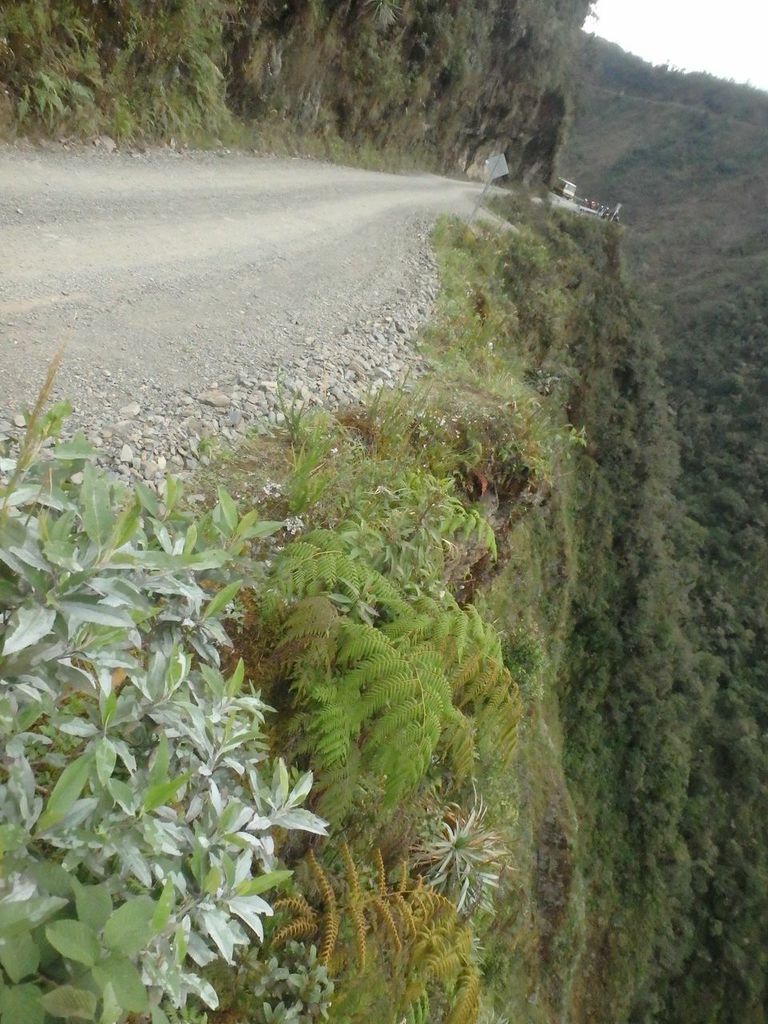
Before going down we made a little Pachamama ceremony by pooring a bit of alcohol on the road, on the tire and obviously taking a sip ourselves. He explained us where to ride: on the left side = the side next to the edge and not to the mountain. This comes from the time when this road was indeed the most dangerous road in the world due to its narrowness (at times just approx 3m). This doesn’t seem to bad at first sight but bearing in mind that big trucks were crossing it was! So by driving down on the left, the driver could always watch if the wheel is still on the road and not yet over the cliff. Needless to say that many accidents occured at the time. However since 2007 the new road is in place and now the road is almost only used by bikers, hence a lot less dangerous. So one of the most dangerous subjects is your camera… and other bikers and our guide told us to simply forget even the thought about fiddling around with the camera/phone while biking. Because the road is narrow, you drive on the ‘wrong side’ and it is not plastered but dirt/gravel with some quite big rocks now and then – aye aye we stayed focused.

3H7P7z-39CrE-pYjyal2tUFZv0xLEo9sIF5yipXXkcc

So as we set off i was pretty nervous and my stomach was not fine (though this could have been from all the Lama meet and potatoes and Coca Quina from the days before) but after the first few km i gradually gained confidence and moved ahead in the group. After a few stops i was heading to the front group as the rest was just really too slow – so it was me and the boys rattling down behind our guide.

IMG_4786

Luckily while biking you actually don’t realise how deep the drops are (up to 600m) – i only realised when looking at the videos!  There were some tricky curves and narrow sections but the guide always explained section by section so if you didn’t overestimate your speed it was kind of fine. Except when you got out of the ideal lane and ended in loose gravel and forgot that one shouldn’t break. I know the biking experts have a laugh now – but i normally don’t bike……  so a couple of sweaty moments but that was it.
Lj9-gevph4JZXkxZLOWde52aFd4z7CybyI1VSf3qpLk

In fact one girl did fall and her bike went over the cliff – but the guide tied a rope to our bus and lowered himself down to the bike (assume it was not too deep, because our guide said he has only 100m rope with him. Because if one would fall deeper there is no more rush to recover him).

Ah yes after the 3000m downhill biking we also couldn’t resist to go on the zip line ‘the flying fox’ and this time i did it superman style…  flying through the valley at a speed or 90 km/h was an amazing feeling!

it was a great day and i am now also proudly wearing my ‘i biked the death road’ T-shirt! Normal Lama – Crazy Lama – Call me Lama – Super Lama!!!  Can only reccomend this to anybody who happens to be in La Paz 🙂

Marching Powder from Rusty Young

A story about a drug trafficker who had been caught and sent to the San Pedro prison in La Paz. Honestly not sure as much of it is true. It is badly written but still an interesting read in my opinion and i only read it after i left La Paz as i was to scared to read it while being there  – don’t ask me why. If you go to Bolivia do read it, if you don’t it is not really worth bothering.

4 days on the road with a Suyana mobile in the Bolivian altiplano

Already weeks ahead I was looking forward to join this trip with a team of co-ordinators from the Suyana Foundation. Among my other travels in South America this would be for sure the one bearing the most insight of true Bolivian way of living as well as giving me the opportunity to meet Bolivian people, see how Suyana managed to help them improve their way of life and actually get to talk to them.

IMG_7640

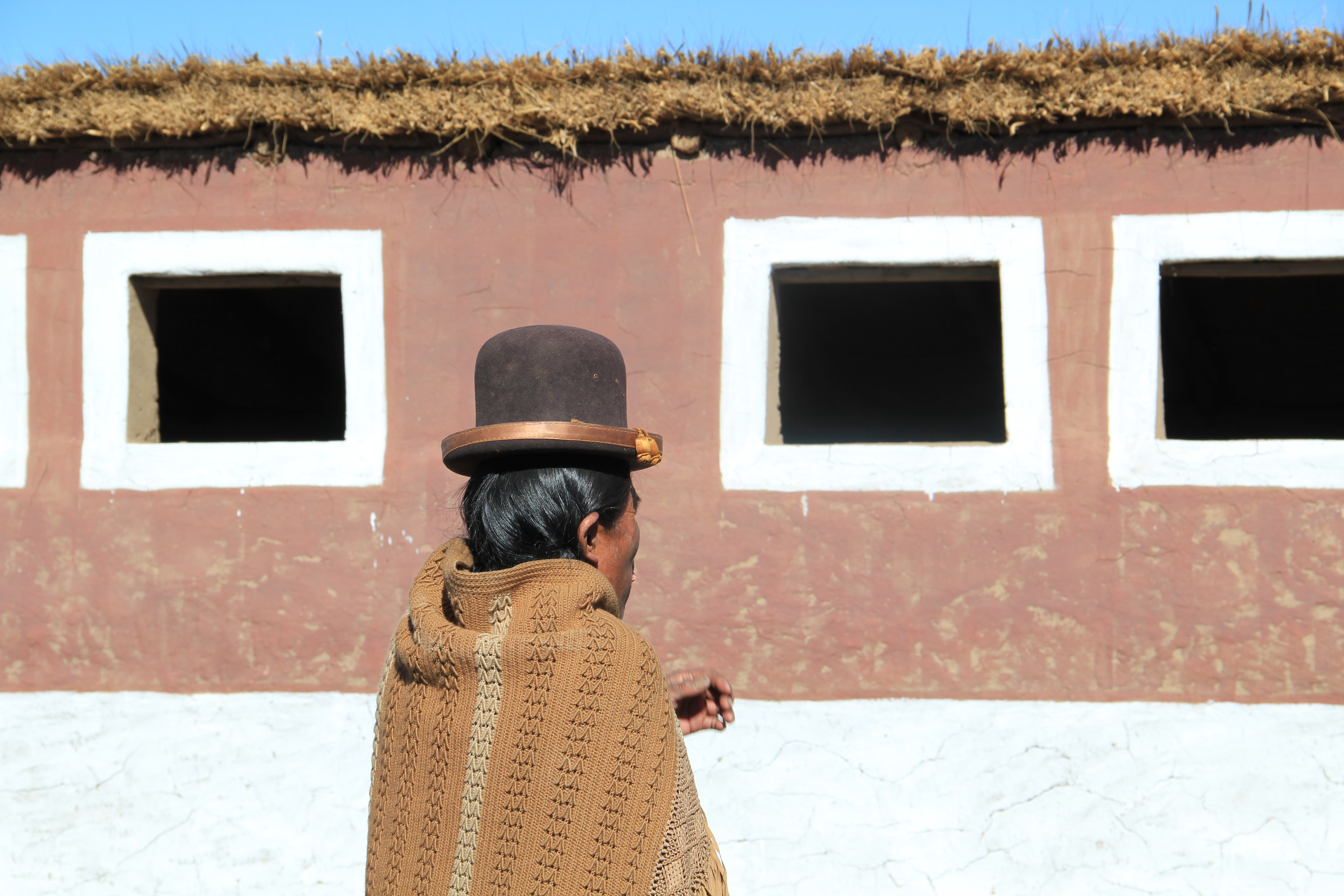
Tuesday morning at 06:00h, I was ready to be picked up by the mobile and meeting the team which would be my family for the next 4 days (Oswaldo, Ramiro, Rodolpho, Dr. Pena and Joelle). The latter turned out to be my life saver at times, when either my brain couldn’t take any more Spanish after a whole day of trying to follow conversation or when i simply didn’t understand anything. Having said that, I need to point out that the people in this area speak Aymara as their first language and therefore sometimes their Spanish was a mix of Aymara and Spanish or they had quite an accent – maybe this only appeared to me though but often i had a blank ‘screen’ while they were talking away.

IMG_7854

IMG_7860

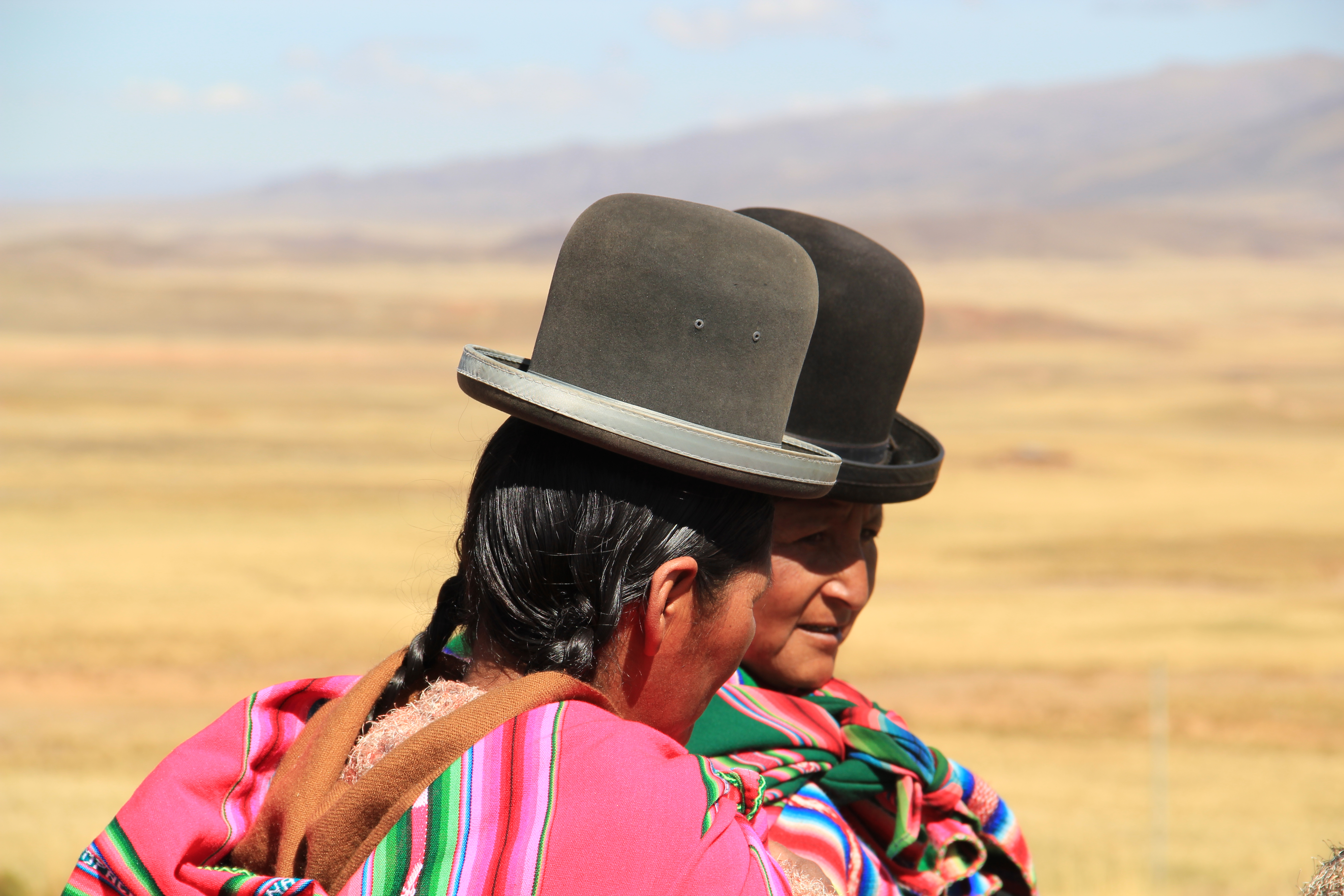
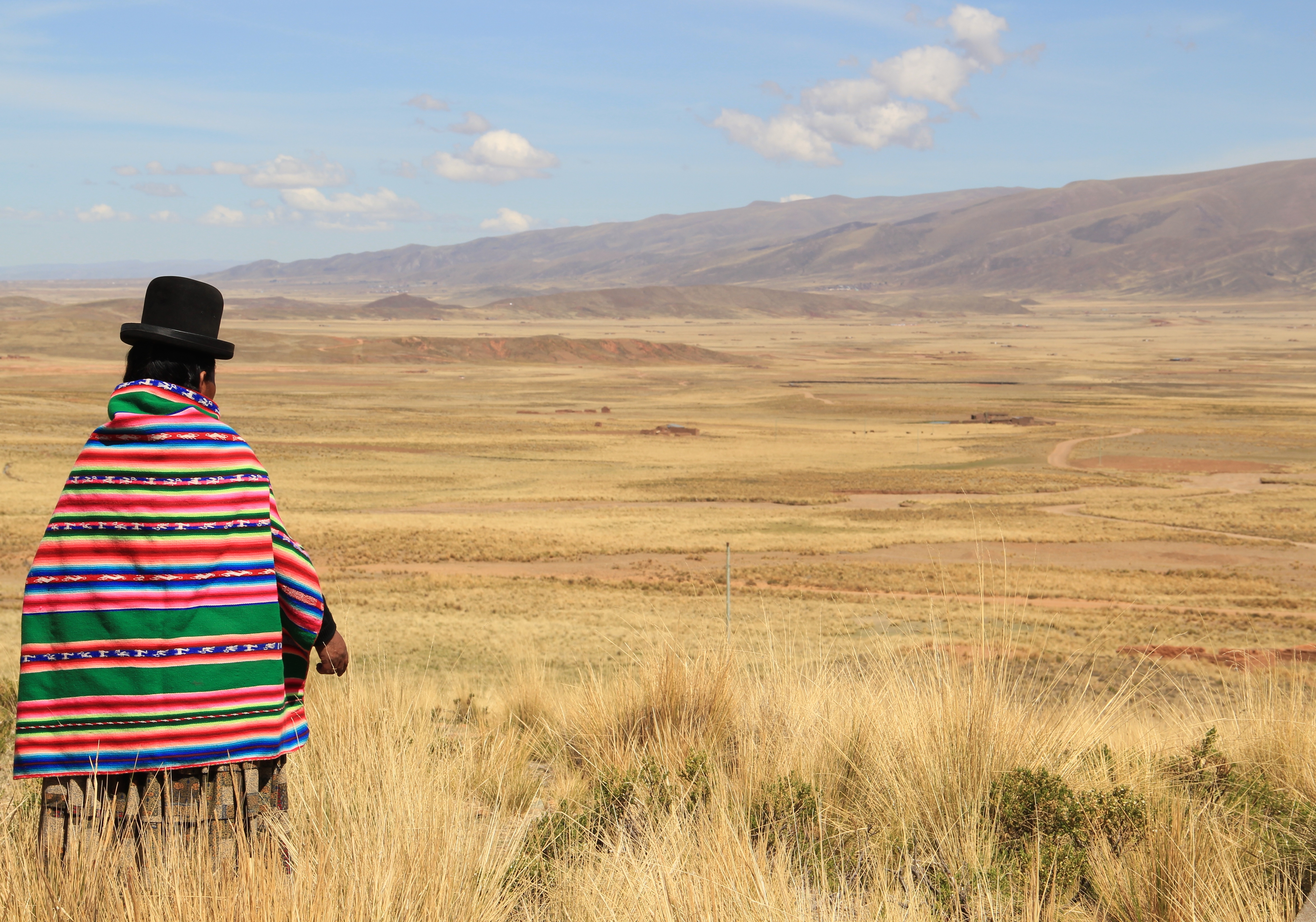
After about a 2-3 hours drive leaving the populated areas of La Paz & El Alto behind us, we reached the beautiful altiplano with a striking blue sky that matched the sandy yet reddish coloured soil. These same colours would intensify even more during sunrise or sunset.

IMG_7865

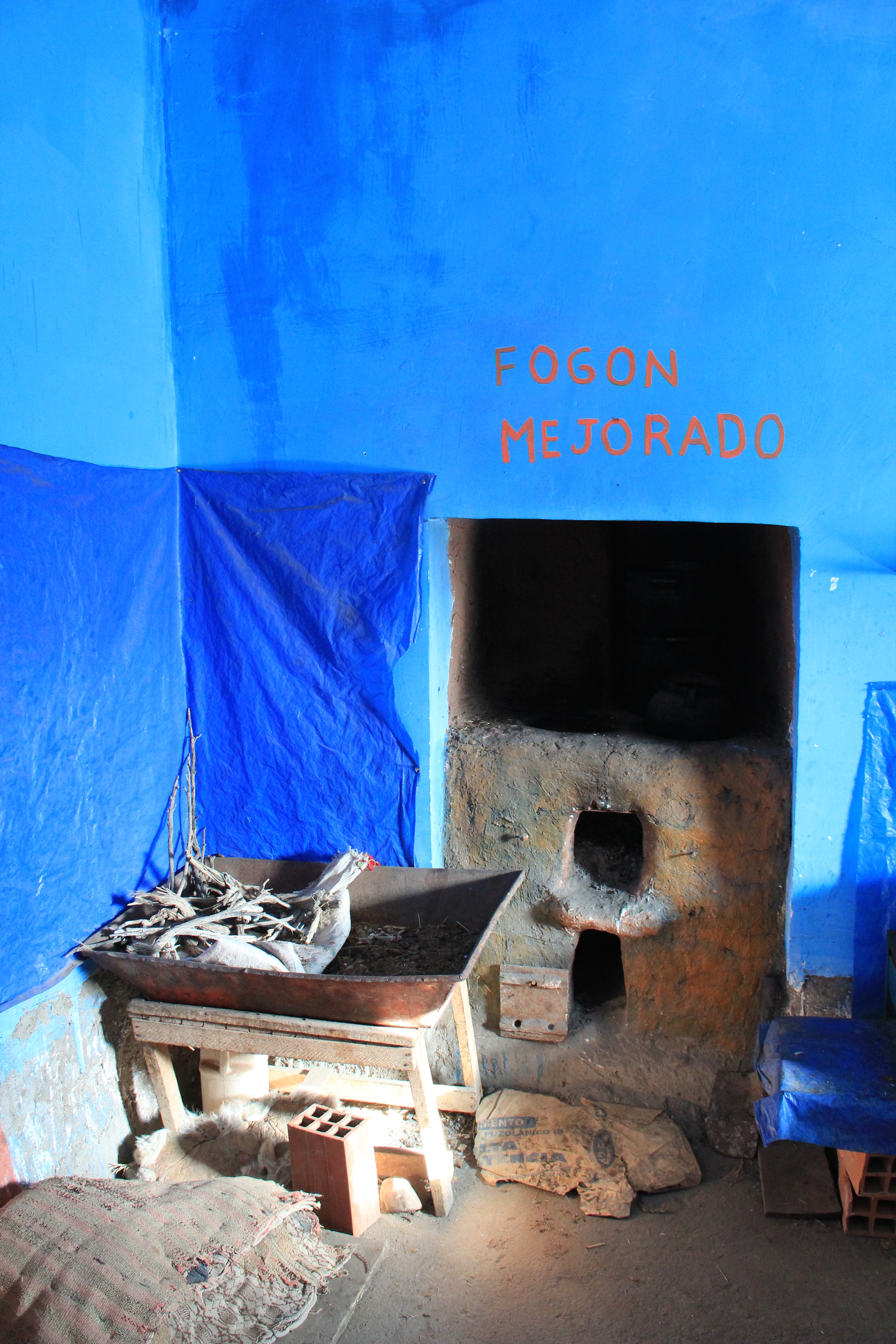
Our first stop was in Conchacollo in the area of San Andres de Machaca where we met the first families who joined the programs ‘vivienda saludable’ and ‘agua familiar productiva’. It was overwhelming to see how happy the people were to meet us and showing us proudly there homes which they had improved with the help of the Suyana team as well as the satiris. There were significant changes they had undertaken in order to transform their lifestyle into a healthier, sustainable yet independent way. Mostly it required them to construct additional houses in order to meet all the requirement as previously they would often live in one single house combining kitchen, dormitory and living room. With the assistance of Suyana they would construct a new cooker (Fugon) with a chimeny to get rid of the smoke in the kitchen, help them to construct a ‘refrigerador ecologico’ by means of wrapping a shelf with plastic sheets and putting a bucket of water on the ground helping to keep the vegetables, fruits and cheese cooled by taking advantage of the cold nights. At the same time many families got so happy with the improvements so that they constructed a sink to do the washing up as well as a ‘comedor’ to enjoy the meals with the family. One man said: ‘i wanted to construct the kitchen in a way to facilitate my wifes work as much as possible’. I really loved this statemet!

IMG_7991

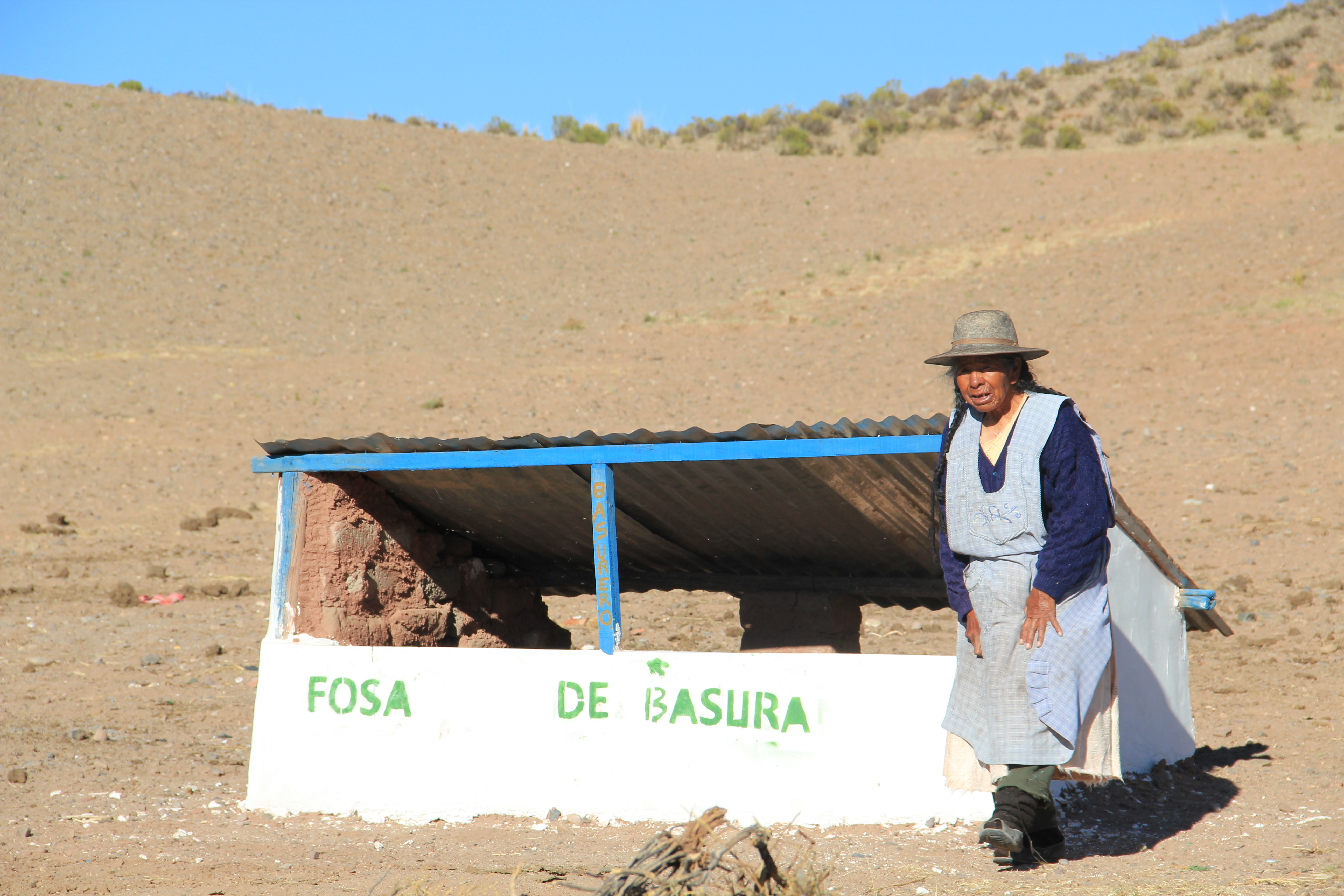
An integral part of a healthier way of living was also to provide a ‘rincon de aseo’ with toothbrush, soap, etc. as well as the construction of a ‘bano hygienico’ where solid is divided from liquids to dispose it in a more environment friendly fashion. Same applying to the general waste which is being divided into organic and non-organic.

IMG_7998

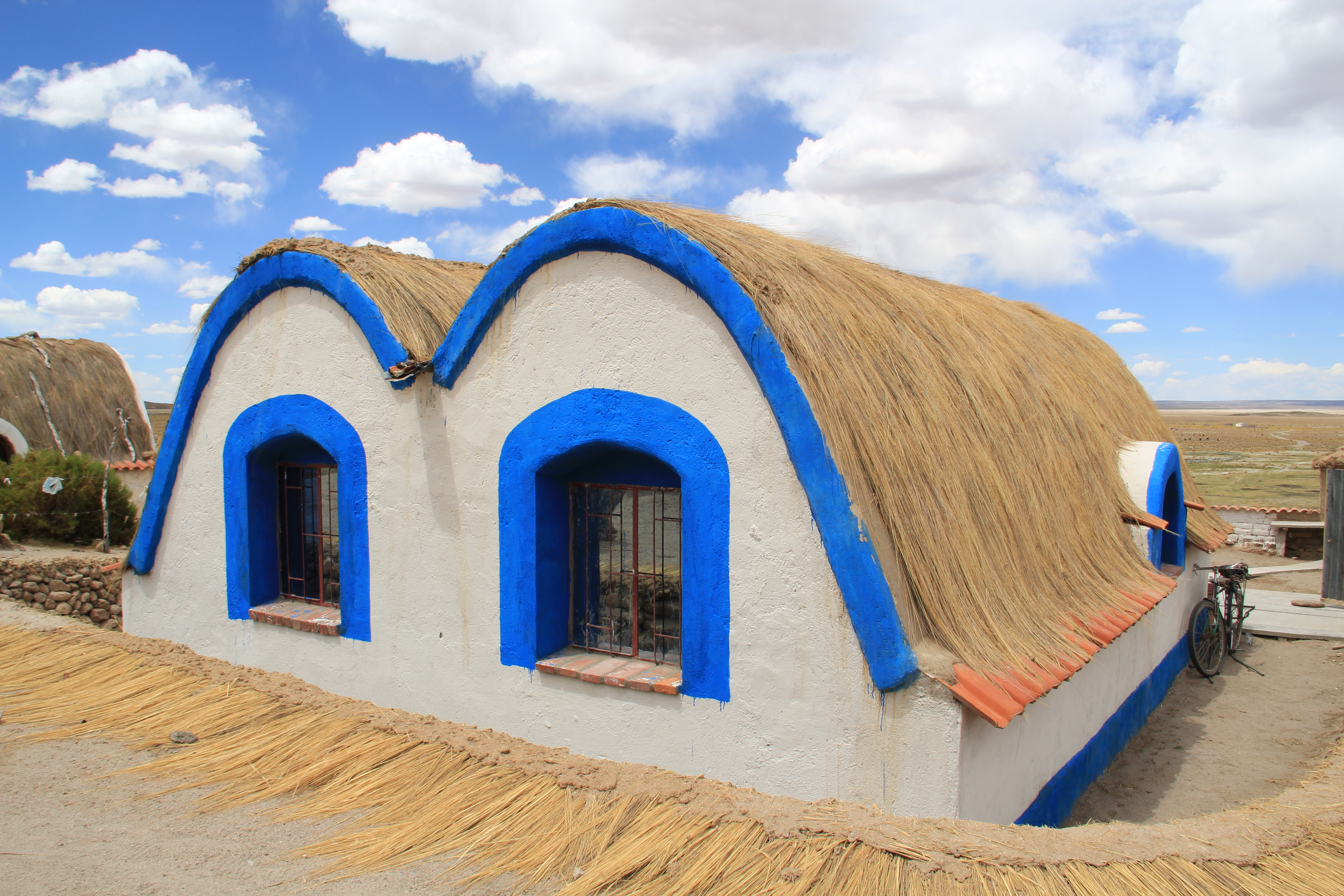
Besides getting all these improvements done by the school book, most of the families also painted their houses in bright colours, planted flowers and herbs, constructed a winter garden to raise vegetables even in these rough desert like conditions, decorated their court yards with coloured pet bottles and named all the different little houses by its function. By making all these improvements in such an adorable way, they managed to turn their homes into much more economical, ecofriendly and far more pleasant places to live. So no wonder they were so proud to show us around.

IMG_8059

IMG_7674

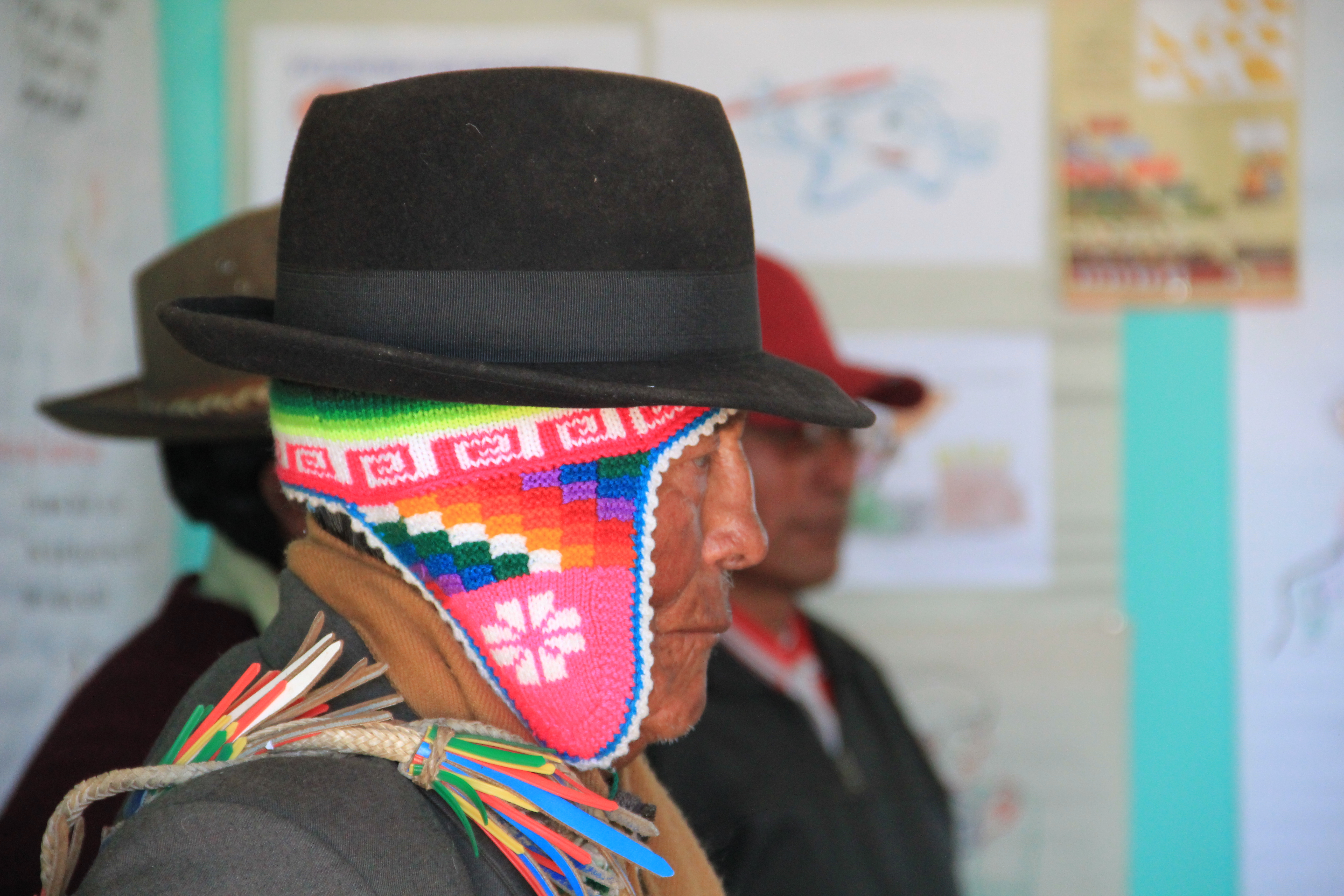
Not only did we visit families but we also went to see a number of schools among which the centro Mauri welcomed us with a memorable ceremony that meant playing music and throwing heaps of confetti at us – unfortunately we took our hats off too early.

IMG_7635

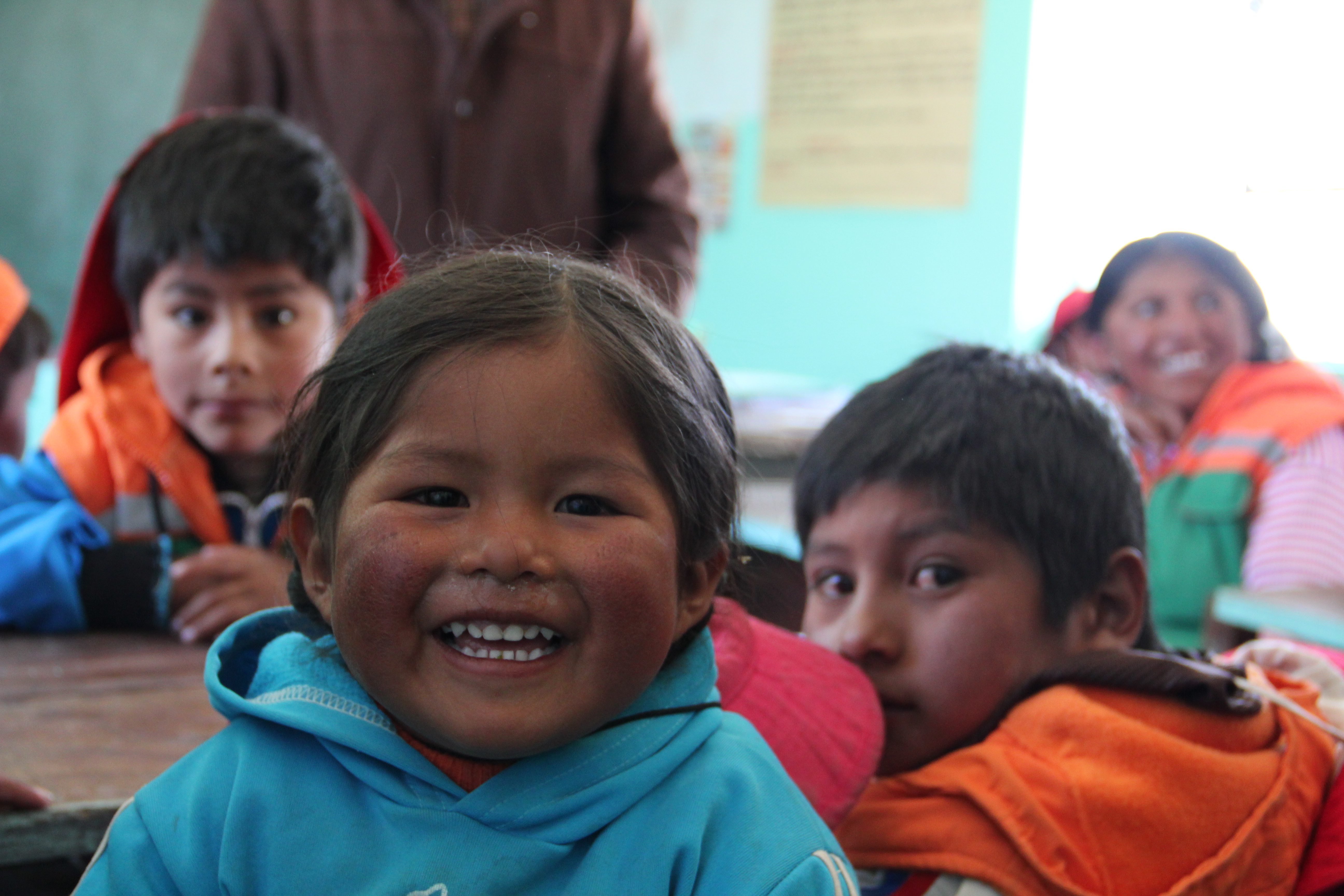
Suyana’s improvements of schools were mainly in terms of hygienic and nutrition, a more stimulating atmosphere of teaching as well as providing a nice ‘cancha’ and some tables with protection from the sun where children could play during their free time. Now schools would provide sufficient clean water (by means of the PET bottles exposed to sunlight) so that they could drink it / wash their hands as needed. Most of the schools who are collaborating with Suyana nowadays grow their own vegetables in winter gardens to ensure the children get more balanced meals while being in school. Some schools even have their own ‘gallinera’ where they have chickens that provide them eggs. One school is even farming trouts – amazing to see this on an altitude of around 4300m. A nice example that one of the school authorities made, was that nowadays children would come to school much before the classes would actually start as they like to spend time playing together in the nice environment. Whereas before the school yards were unpleasant and deserted prior or after classes.

IMG_7654

Another achievement that astonished me, was the fact that by helping to improve sanitary facilities and explaining children how to brush their teeth/they shouldn’t eat too many sugary things – one school authority proudly advised us that not a single child in their village would suffer from caries.

IMG_7693

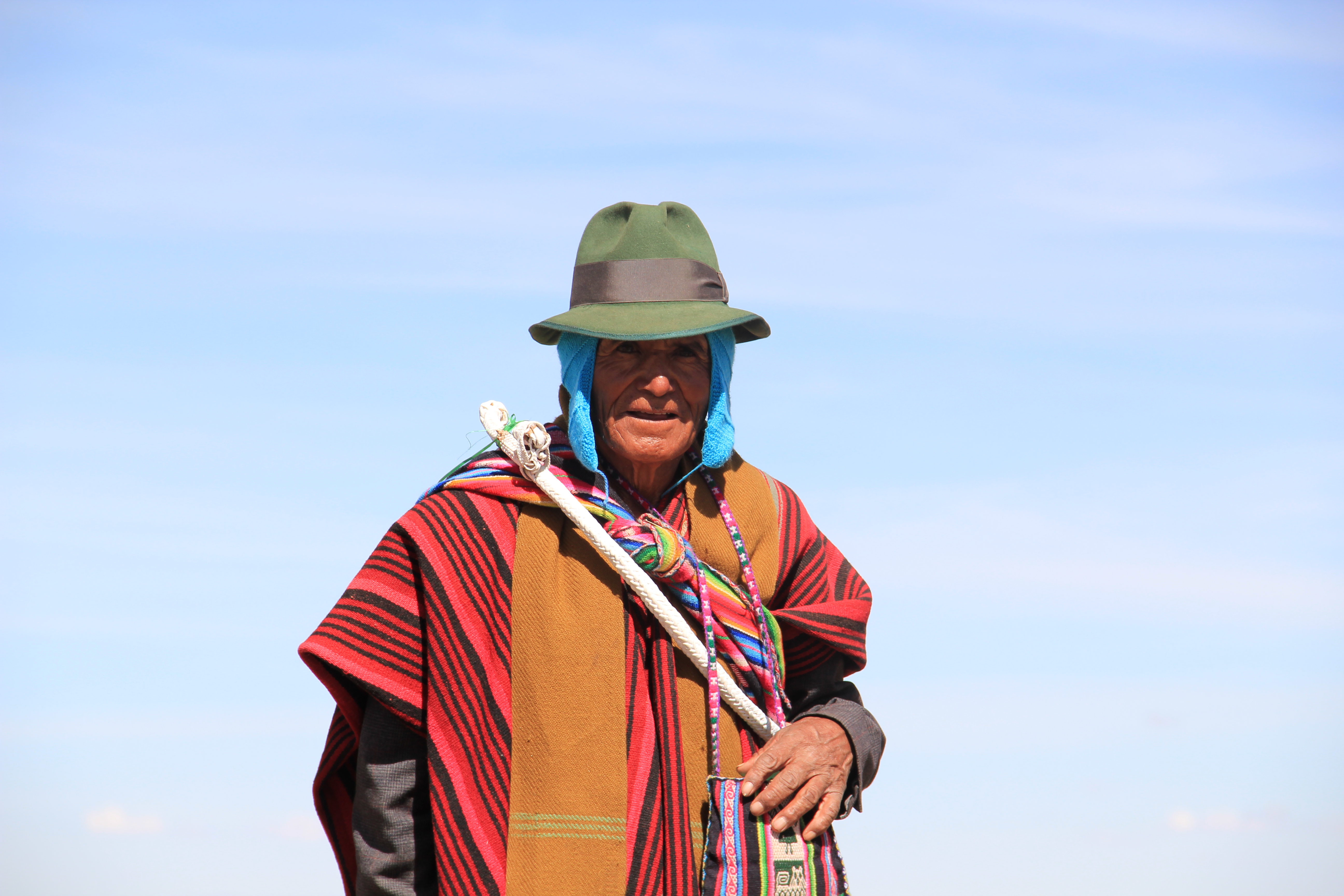
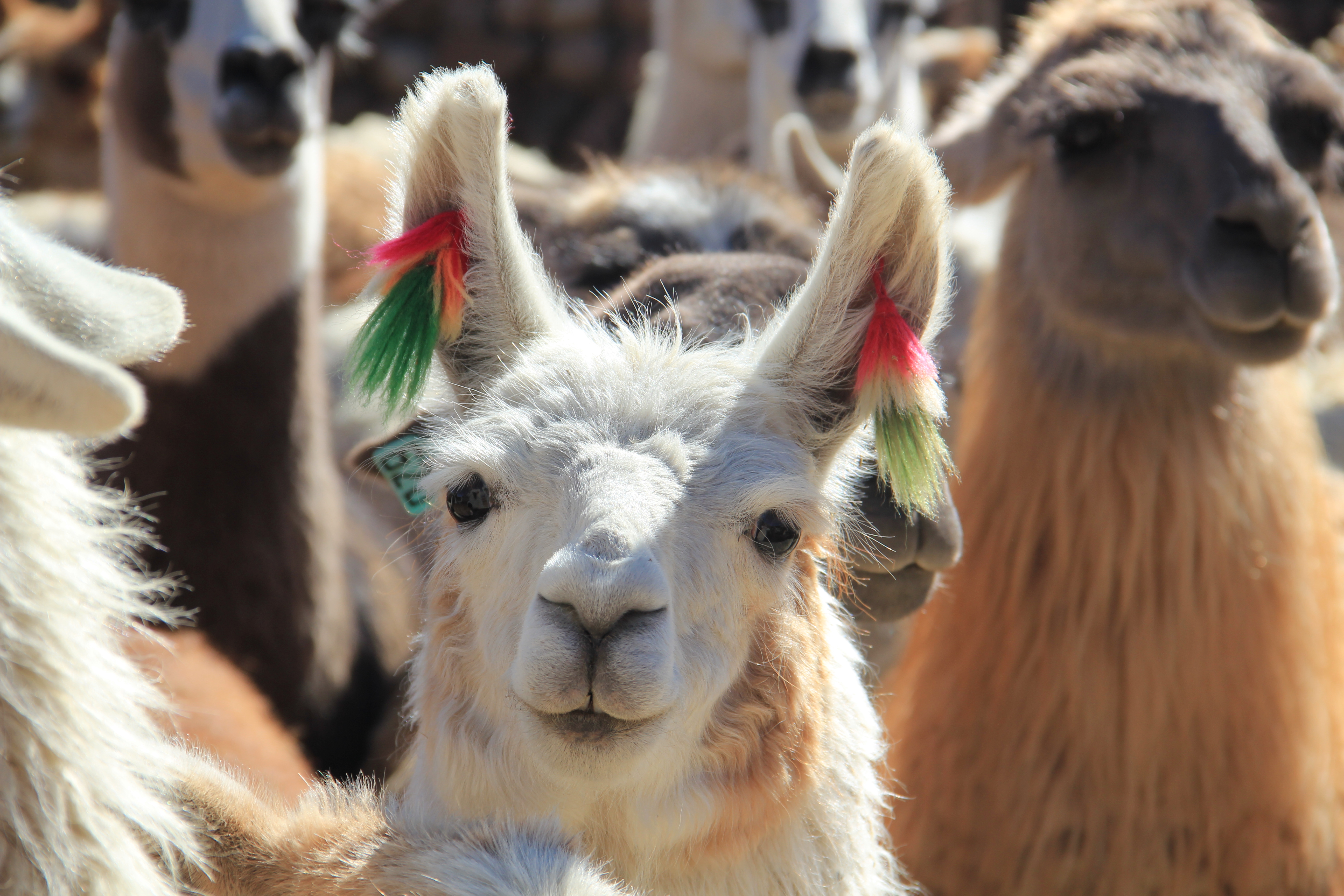
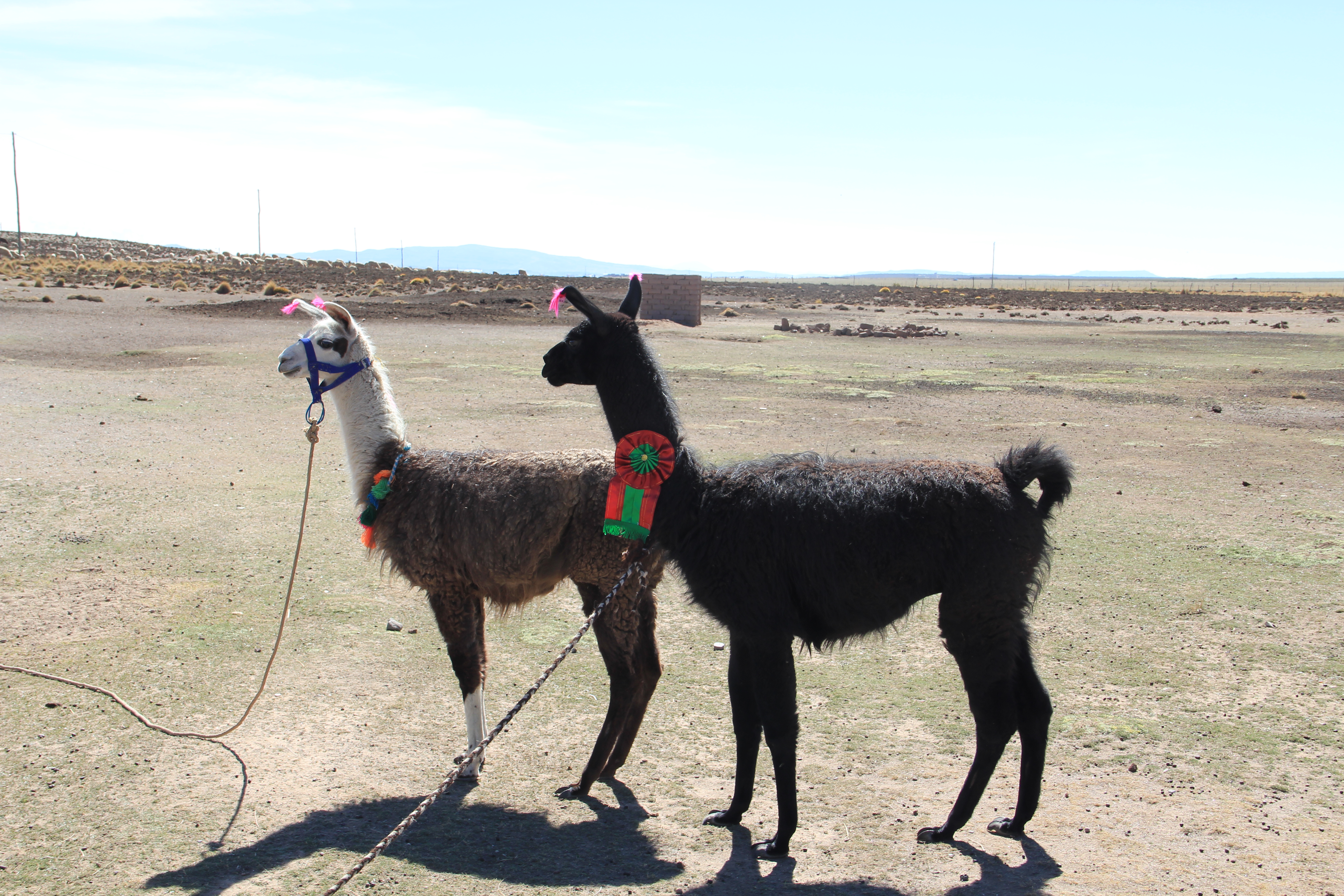
Travelling onwards to the villages of Santiago de Machaca, Catacora and Comanche we were meeting many more families that won prices because they improved their way of living and were therefore awarded with a water tank as in these regions water remains one of the most precious resources. We also were visiting families that were strong in agriculture / raising lamas, sheeps and alpacas. This was the main foucs of Dr. Pena who is running his own TV show on the Bolivian Canal 7. While he was recording for his next sequences the people were presenting their houses and livestock. Many were also taking the opportunity to discuss issues they have with their animals as well as carry out some vaccinations of their sheep while having an expert on site.

IMG_7738

IMG_7756

On the way ‘home’ from this 4 day adventure trip through the altiplano my head was bustling of these images of meeting all these people who received you with such warm hospitality, visiting  the beautiful houses, smiling children who clearly enjoy their ‘escuelas lindas’, having experienced the enthusiasm of the local authorities who couldn’t stress out enough how much the infrastructure of their villages has improved and simply the fact that we were being welcomed wherever we came as ‘hermanas’.

IMG_7662

All this proving that Suyana is doing sustainable work in the remotest areas of Bolivia and Peru and that they are determined to live up to it’s dedication ‘give hope for a better future’.

‘Suyana’ the word uniting Quechua and Aymara as it means in both languages ‘hope’

La Paz (short for La ciudad de nuestra senora de la Paz)

La Paz had always been a city that fascinated yet scared me. So i thought i leave it till i speak at least some Spanish. So here we go… the city has a a population of only 1.4 Mio – where i always thought it would be much bigger.. however it definitely is not lacking of altitude as it is on an average elevation of 3660m. Having said that the airport is at 4200m in El Alto take good care while you breathe. Luckily i could stay at a friend’s house in La Paz and even more generous was that they were picking me up at the airport at 02:00 h in the morning.

IMG_7274

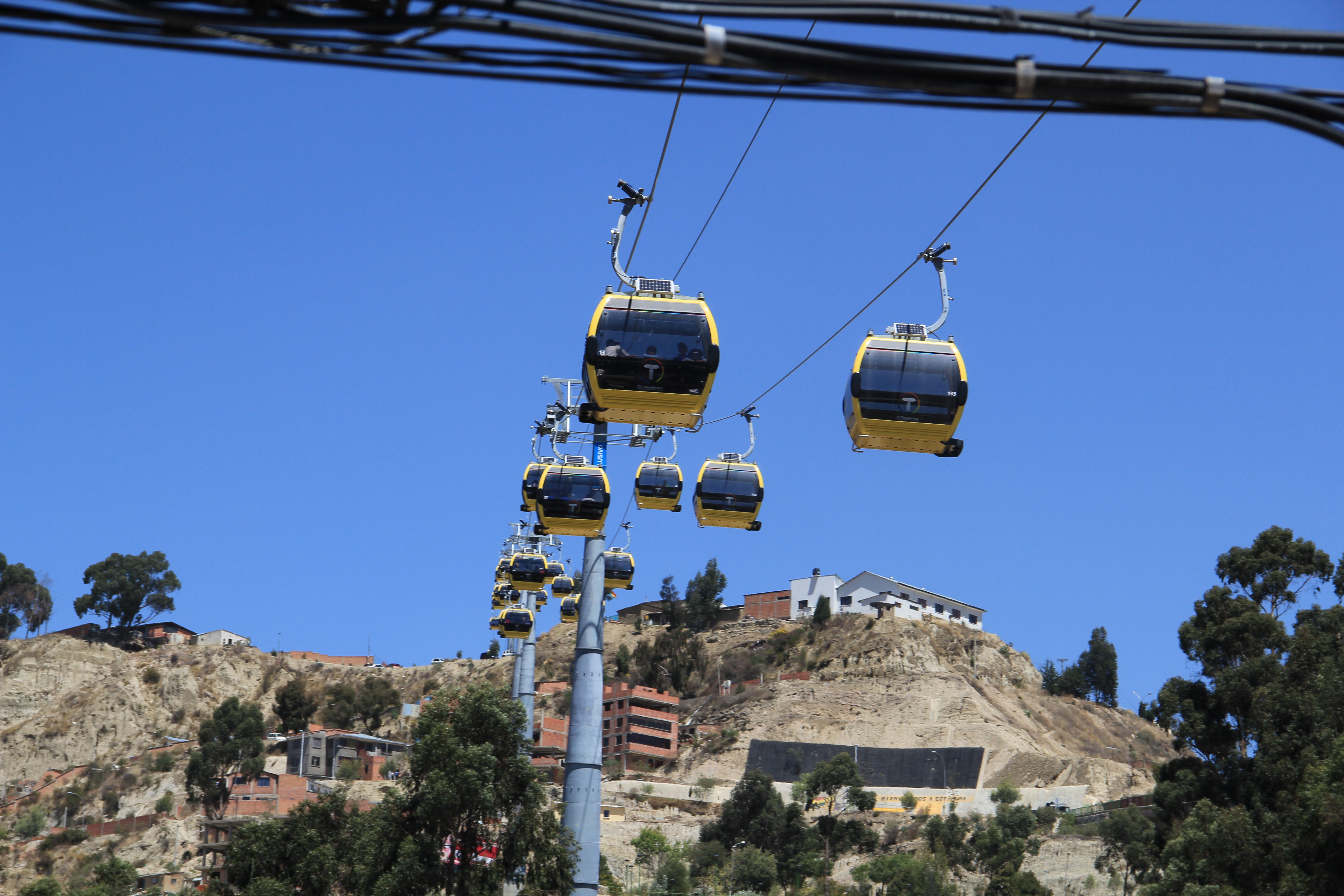
So my first exploration of the city was walking through the most famous tourist sections in the old town around San Francisco church and up to the witches market where you can find everything you need to make sacrifices to please the gods (i save the pics as it is about dried lama fetus, different little figures representing any kind of thing, sweets to burn and lots of other interesting things). Then walking further through the old town (Calle Jaen) passing some beautiful colonial houses and taking the new teleferico (feels like going skiing) back down to the south.

IMG_7278

Feeling a bit light headed from the altitude i took it very easy the first day and spend a lot of my time in the beautiful garden with my new friends – the lovely dogs (Beba, Mecha, Peggy & Darco).

IMG_4657

La Paz is an extraordinary city which doesn’t strike you with its beauty but with its extravagant way how it is being squeezed into the red rocks that surround it. While it’s north is ending in the rather scary looking El Alto it is guarded on the south side by the three-peaked Illimani with it’s impressive  6400m.

If you would like to get a taste of La Paz – read Marching Powder by Rusty Young. A book set in the La Paz’ prison San Pedro, not exactly well written but truly interesting to read.